REGULATORY
The Bill for Abandoned Wells Is Coming Due
Utah's first well bonding overhaul in 24 years ties financial guarantees to risk, and could show other states how to close the gap
4 Jun 2026
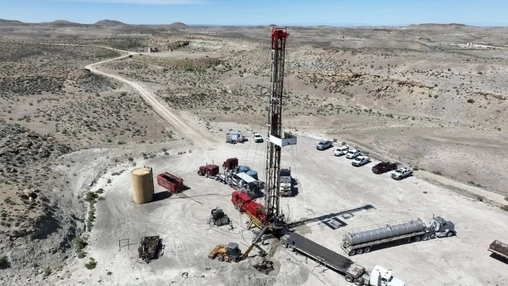
Utah is overhauling the financial framework governing oil and gas well cleanup for the first time in more than two decades, with a vote expected next month that could influence how other states manage their own liabilities.
The state's Division of Oil, Gas and Mining has developed a tiered, risk-based bonding system to replace rules unchanged since 2002. Operators whose wells produce too little to cover future plugging costs would face significantly higher financial guarantees. Public comments closed April 30, and the Board of Oil, Gas and Mining is scheduled to vote at its June 24 hearing.
However, the broader stakes are considerable. Across the United States, roughly 3.4 million abandoned wells sit unplugged, leaking methane and threatening groundwater. Utah has kept its orphan well count unusually low, around 20 documented cases, but a 2019 state audit found that legacy wells drilled before 2002 carry no bond coverage at all. Taxpayers bear the full cost when operators walk away.
Just 11 percent of wells idle for more than a decade ever return to production.
Under the new system, operators are sorted into three bond tiers based on production levels and the proportion of at-risk wells in their portfolio. Environmental Defense Fund and Taxpayers for Common Sense have backed the reform, arguing it aligns financial responsibility with actual risk. Utah Petroleum Association has warned that adding bonding costs on top of a 2025 production tax could push marginal wells toward early abandonment, the outcome the rule is designed to prevent.
Provisions governing two classification questions will shape the final text. Whether shut-in wells are classified as at-risk carries significant weight, given that most idle wells never resume output. A separate formula that lets companies count federally managed wells in their total portfolio can dilute apparent risk on state land, weakening the rule's protective effect.
Across the country, 11 of 13 analyzed states carry bonding frameworks covering only a fraction of actual plugging costs. A firm Utah rule this summer would arrive as agencies accelerate field operations under the federal Infrastructure Law, giving other regulators a replicable model for closing the gap between what operators owe and what taxpayers absorb.
Related News


SUBSCRIBE FOR UPDATES
By submitting, you agree to receive email communications from the event organizers, including upcoming promotions and discounted tickets, news, and access to related events.