Highlights Of The Program
2 days business program:
Learn from real-world case studies by industry leaders.
SHOWCASING INNOVATION:
Discover the latest technology and techniques from across the industry.
leaders talk:
Hear from top-level experts about how to stay ahead in a fast-changing industry.
MULTIPLE STREAMS:
A business program that is multi-disciplinary, giving you a broad view of the industry.
SMART TECHNOLOGIES:
Explore the latest smart and AI-driven solutions, and see how they can be used in your business.
roundtable discussion:
Join talks with industry peers. Share ideas, make connections, and find new partners.
Program 2026
DAY 1 :
WEDNESDAY, JUNE 24, 2026
08:00 - 08:50
REGISTRATION AND MORNING REFRESHMENTS
08:50 - 09:00
OPENING ADDRESS
09:00 - 09:25
REFRAC STRATEGIES TO TURN ABANDONMENT LIABILITY INTO VALUE
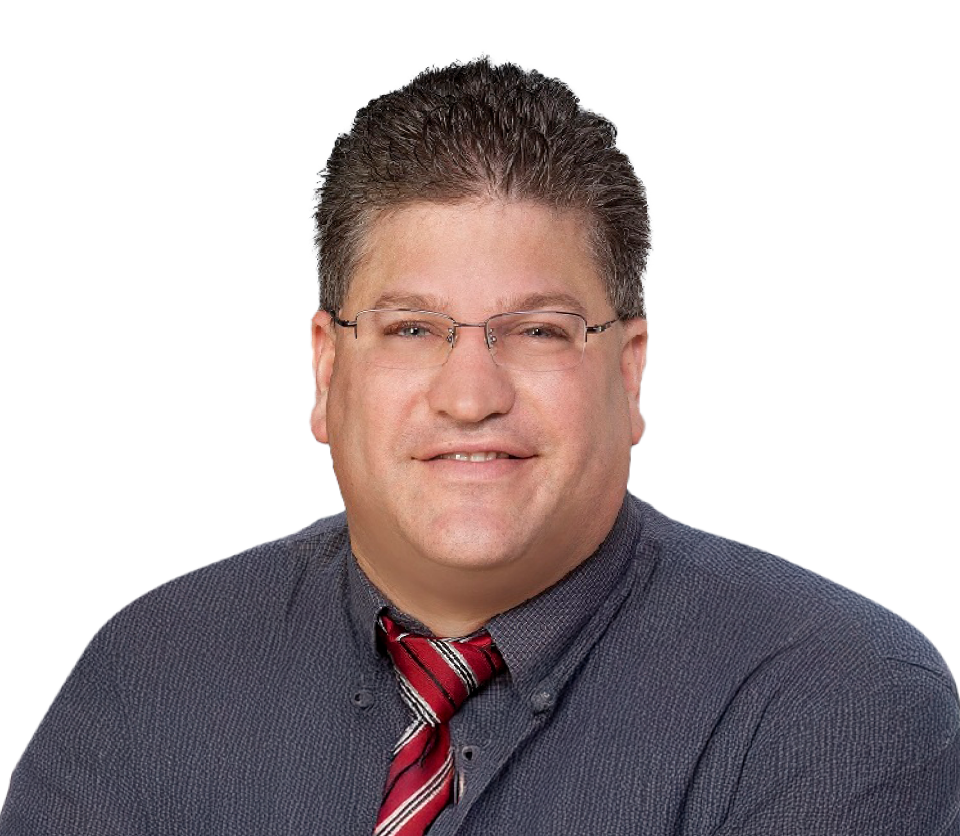

Tim Leshchyshyn
FracKnowledge
- Examining regulatory requirements that mandate permanent abandonment after prolonged well suspension and the associated financial exposure
- Assessing the economics of late-life well acquisition, where investors purchase mature assets primarily for their abandonment liability value
- Demonstrating how refracturing aging vertical and horizontal wells can extend productive life by five to ten years and generate incremental profit
- Comparing immediate abandonment costs versus phased value recovery strategies that defer P&A while maintaining future compliance
09:25 - 09:30
Q&A SESSION ON INNOVATIVE SOLUTIONS FOR TURNING REGULATED LIABILITY INTO CASH FLOW
09:30 - 09:55
TRANSFORMING ORPHAN WELL PLUGGING WITH BIOMINERALIZATION: A COST-EFFECTIVE PATH TO PERMANENT SEALS AND METHANE MITIGATION
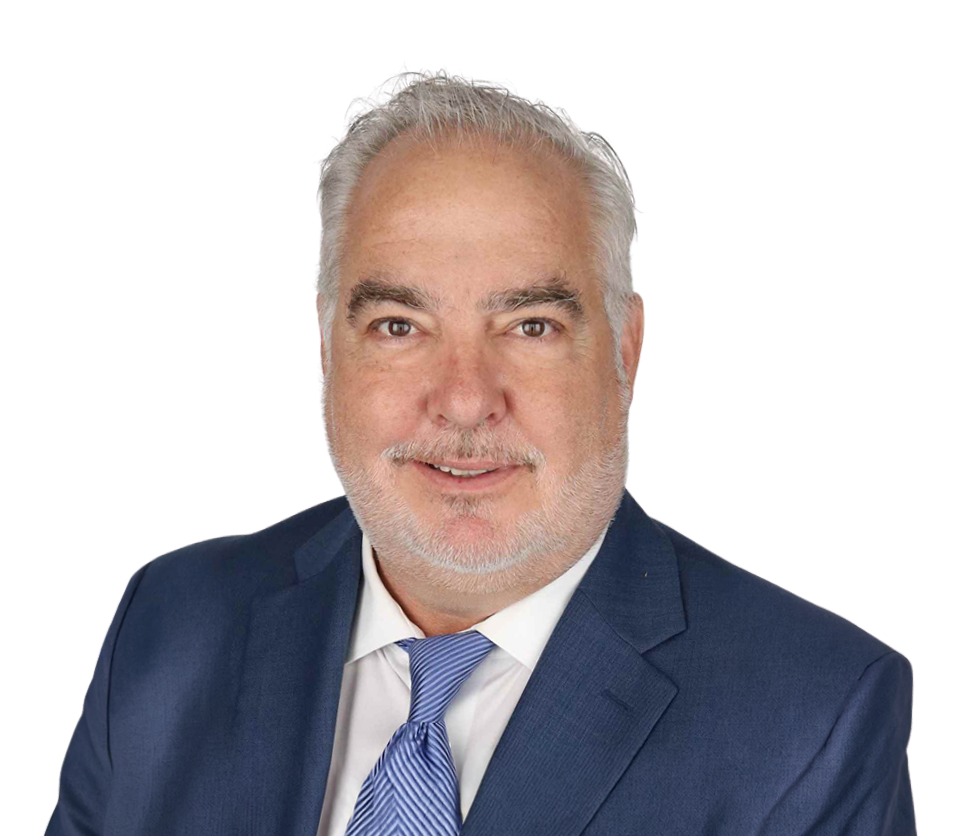

James Athans
BioSqueeze, Inc.
- Addressing the limitations of conventional well plugging by introducing a rigless biomineralization approach for gas-tight sealing
- Revealing how biomineralization forms durable calcium carbonate barriers in annular leak paths, outperforming traditional cement
- Sharing case studies where idle wells were remediated without rigs using low-viscosity, self-diverting fluids, and minimal intervention
- Highlighting the environmental, technical, and economic benefits for methane mitigation and scalable deployment in large plugging programs
09:55 - 10:00
Q&A SESSION ON NEXT-GENERATION WELL SEALING TECHNOLOGIES FOR LEGACY WELL REMEDIATION
10:00 - 10:25
DRONE-BASED GEOPHYSICS AND METHANE DETECTION FOR ORPHAN WELL IDENTIFICATION


Çağatay Ty Atmaca
Atlas
- Validating how drone-based geophysics integrates magnetometry, LiDAR, and methane detection to locate legacy and orphan oil and gas wells with no surface expression
- Explaining how Blue UAS-approved drone platforms enable safe, rapid geophysical surveys while reducing field risk and improving access to difficult or hazardous sites
- Presenting real-world case studies showing how UAV-mounted sensors identify well locations, detect methane emissions, and support environmental assessment programs
- Spotlighting operational benefits including faster site coverage, improved data density, lower survey costs, and enhanced safety for orphan well investigation projects
10:25 - 10:30
Q&A SESSION ON GEOPHYSICAL SURVEY STRATEGIES FOR HIDDEN WELL IDENTIFICATION
10:30 - 11:00
MORNING COFFEE BREAK IN THE EXHIBIT AREA
SPONSORED BY ETTER ENGINEERING
11:00 - 11:30
PANEL DISCUSSION ON INNOVATIONS IN ORPHAN AND IDLE WELL MITIGATION: NEW TECHNOLOGIES AND STRATEGIES

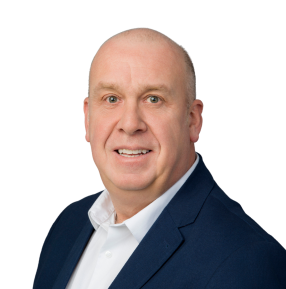
- Pioneering Gas-Assisted Gravity Drainage and HydroFlame combustion to revive orphan wells through enhanced oil recovery
- Safeguarding remediated orphan wells from recurrence while protecting functioning aquifers from contamination during biomineralization treatments
- Identifying technology gaps between diagnostics, intervention efficiency, and final abandonment execution as P&A programs scale
- Harnessing nature-based biological strategies to remediate soil and groundwater in situ while lowering per-well reclamation costs
- Prioritizing orphan wells by environmental and financial risk using data frameworks, then evaluating productive reuse pathways
Dandina Rao | Direct Combustion Technologies, LLC
James Athans | BioSqueeze, Inc.
Arsalan Ansari | Darcy Partners
Randall Stremmel | PC Bioremediation
John Burns | Islay Subsurface & Engineering
11:30 - 11:55
REACTIVATING IDLE HEAVY OIL WELLS FOR SUSTAINABLE VALUE CREATION
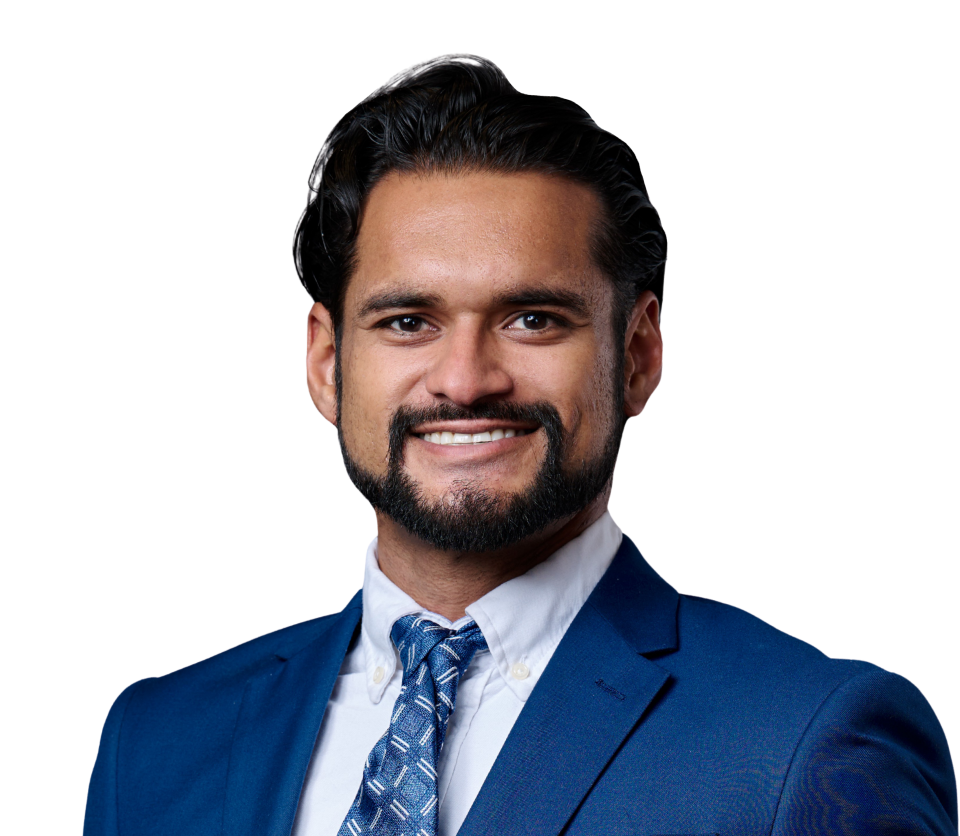

Shubham Garg
Prospera Energy Inc.
- Establishing how thick, high-quality reservoirs with strong porosity and permeability can be successfully reactivated through existing idle vertical wells
- Showing how early cash flow from reactivated wells can fund secondary and tertiary recovery strategies to maximize long-term field value
- Illuminating the role of strategic partnerships with service providers, landowners, and regulators to strengthen project economics and operational success
11:55 - 12:00
Q&A SESSION ON STRATEGIES TO REVIVE IDLE WELLS FOR HEAVY OIL PRODUCTION
12:00 - 12:25
METHANE EMISSIONS MITIGATION AT YOUR SITE USING ETTER CMAS TECHNOLOGY
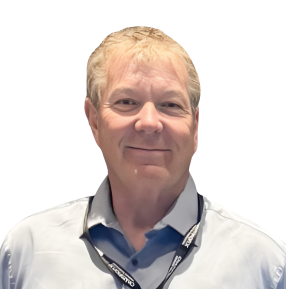

Tom Etter
ETTER Engineering
- Covering priority methane sources including sustained casing pressure, pneumatics, compressor seals, and other low-flow fugitive emissions
- Solving low-flow, low-pressure methane challenges from 2 to 75 CFH and 7 to 14 inches water column where conventional options underperform
- Delivering verified greenhouse gas reductions of 85 percent or more by capturing and managing difficult emission streams on site
- Reporting four years of field test results from Saskatchewan and Alberta, including system sizing, features, and operating performance trends
12:25 - 12:30
Q&A SESSION ON INNOVATIVE TECHNOLOGICAL SOLUTIONS FOR LOW-FLOW METHANE EMISSIONS
12:30 - 13:30
NETWORKING LUNCH AND VISITING THE ORPHAN AND IDLE WELLS EXHIBITION
13:30 - 13:55
HEAT, POWER, OR SOMETHING ELSE: REPURPOSING WELLS FOR GEOTHERMAL PRODUCTION

Gary Chen
NOV
- Substantiating why sedimentary basins hosting hydrocarbon reservoirs offer vast geothermal potential
- Framing the scale of the opportunity with approximately 2 million orphaned US wells available
- Qualifying temperature, permeability, wellbore integrity, and open-loop versus closed-loop modeling options
- Analyzing the market and economic drivers shaping the viability of geothermal well repurposing
13:55 - 14:00
Q&A SESSION ON THE ECONOMIC AND TECHNICAL CASE FOR GEOTHERMAL WELL REPURPOSING
14:00 - 14:25
BEYOND CEMENT: ADVANCING PLUG AND ABANDONMENT STRATEGIES FOR ORPHAN AND IDLE WELLS


Arsalan Ansari
Darcy Partners
- Scrutinizing the limitations of traditional cement-only P&A methods in addressing SCVF and gas migration across North America
- Reviewing advanced sealing materials like resins, expandable plugs, and bismuth alloys proven in recent field trials
- Connecting next-generation abandonment technologies to CCUS-readiness and evolving North American regulatory frameworks
- Emphasizing hybrid P&A strategies that combine cement and novel materials to deliver long-term well integrity
14:25 - 14:30
Q&A SESSION ON NEXT-GENERATION P&A SOLUTIONS FOR CCUS-READY WELL ABANDONMENT
14:30 - 14:55
COMBINING THROUGH-TUBING LOGGING AND LITHOSEAL TO SIMPLIFY WELL ABANDONMENTS
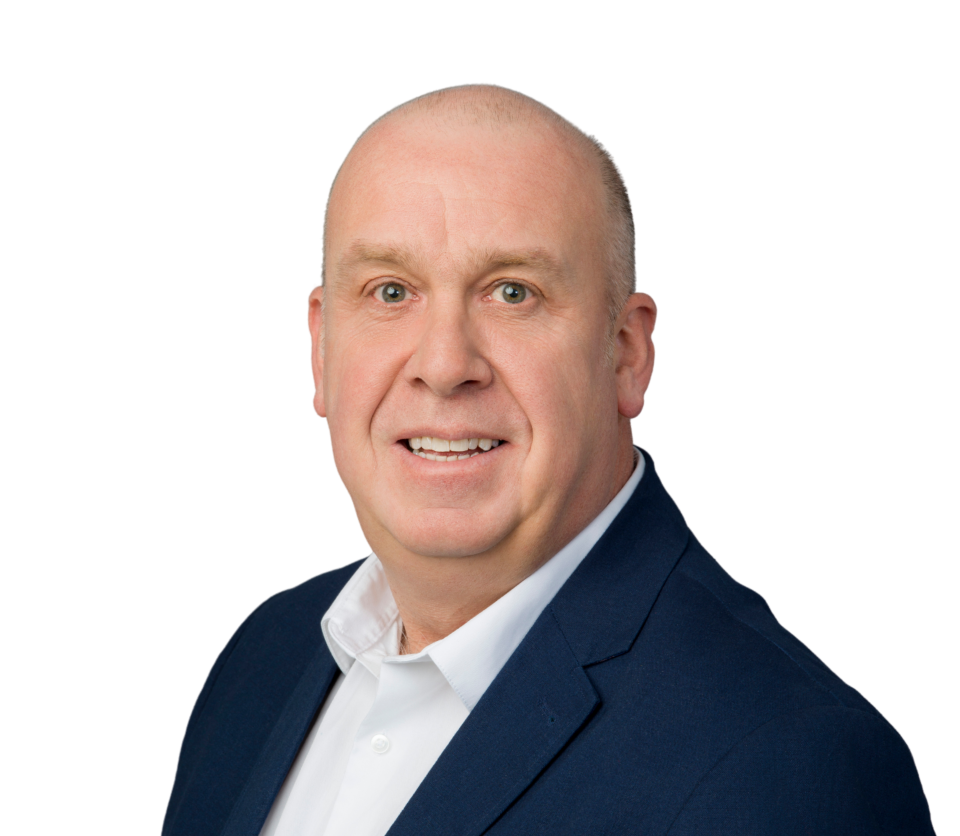

John Burns
Islay Subsurface & Engineering
- Tracing how through-tubing logging enables detailed well assessments without full workover operations or rig interventions
- Underscoring LithoSeal’s natural barrier prediction for safe, targeted wellbore isolation in complex abandonment scenarios
- Dissecting a case study where the combined solution delivered $150 million in abandonment cost savings for the operator
14:55 - 15:00
Q&A SESSION ON ADVANCED TECHNOLOGIES AND INNOVATIVE METHODS FOR WELL DECOMMISSIONING
15:00 - 15:20
AFTERNOON COFFEE BREAK IN THE EXHIBIT AREA
SPONSORED BY ATLAS
15:20 - 15:45
LET'S NOT "ABANDON" THE "ORPHAN WELLS," YET!

Dandina Rao
Direct Combustion Technologies, LLC
- Exposing the scale of opportunity, with over 3.5 million orphan wells in the US, many containing more than 60 percent of original oil in place
- Introducing the patent-pending Vertical-Well Gas-Assisted Gravity Drainage process designed to recover substantial residual oil from marginal and orphan wells
- Documenting laboratory results showing more than 80 percent oil recovery through controlled VW-GAGD physical modeling
- Profiling field pilot results and the HydroFlame gas generation system that validate the technical and commercial viability of extending well life
15:45 - 15:50
Q&A SESSION ON GAS-ASSISTED METHODS FOR RESIDUAL OIL RECOVERY IN MARGINAL WELLS
15:50 - 16:15
WELL PLUGGING AND CARBON CREDITS: REDUCING LEGACY LIABILITIES FOR MARGINAL OPERATORS
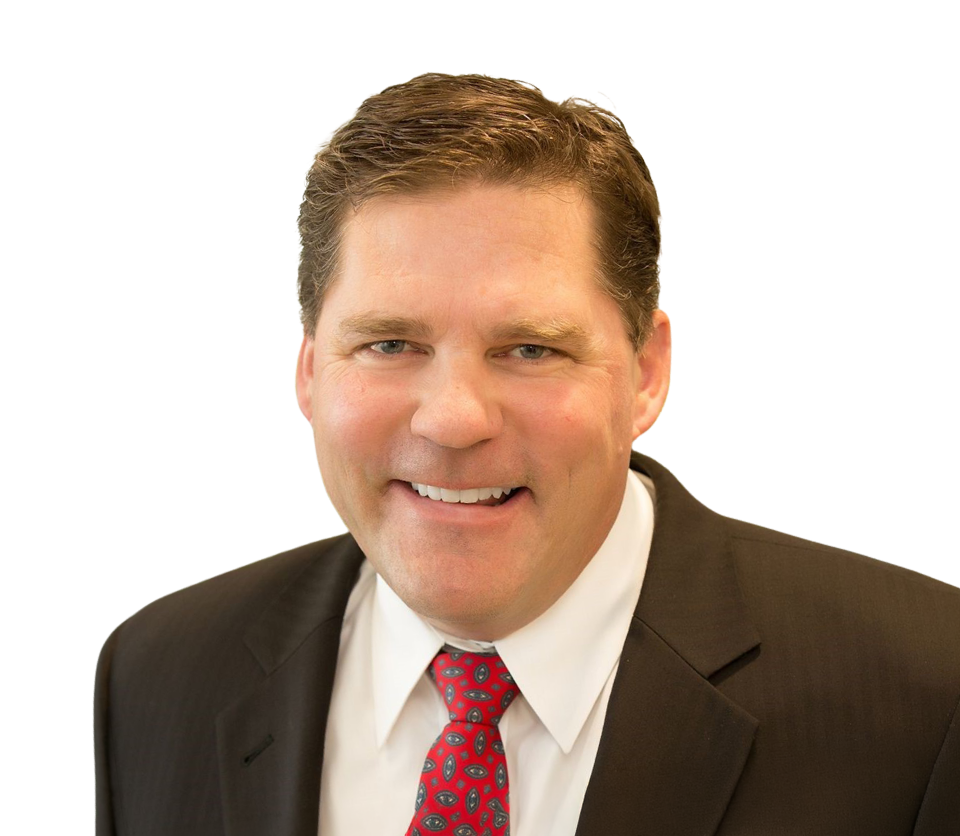

David Stewart
Sendero Energy Solutions
- Discussing why leaking marginal wells create persistent liabilities for operators and why traditional P&A is often deferred
- Illustrating how credible methane measurement and rigorous protocols enable well plugging to qualify for carbon credit generation
- Drawing from a validated case study where quality P&A eliminated emissions and converted a legacy well into a verified climate asset
- Signaling how carbon markets can transform plugging projects into repeatable, revenue-supported solutions for operators
16:15 - 16:20
Q&A SESSION ON THE BENEFITS OF USING CARBON CREDITS TO FINANCE MARGINAL WELL PLUGGING
16:20 - 16:45
DRONE-ENABLED GEOSCIENCE MAPPING FOR SURFACE AND SUBSURFACE SITE CHARACTERIZATION
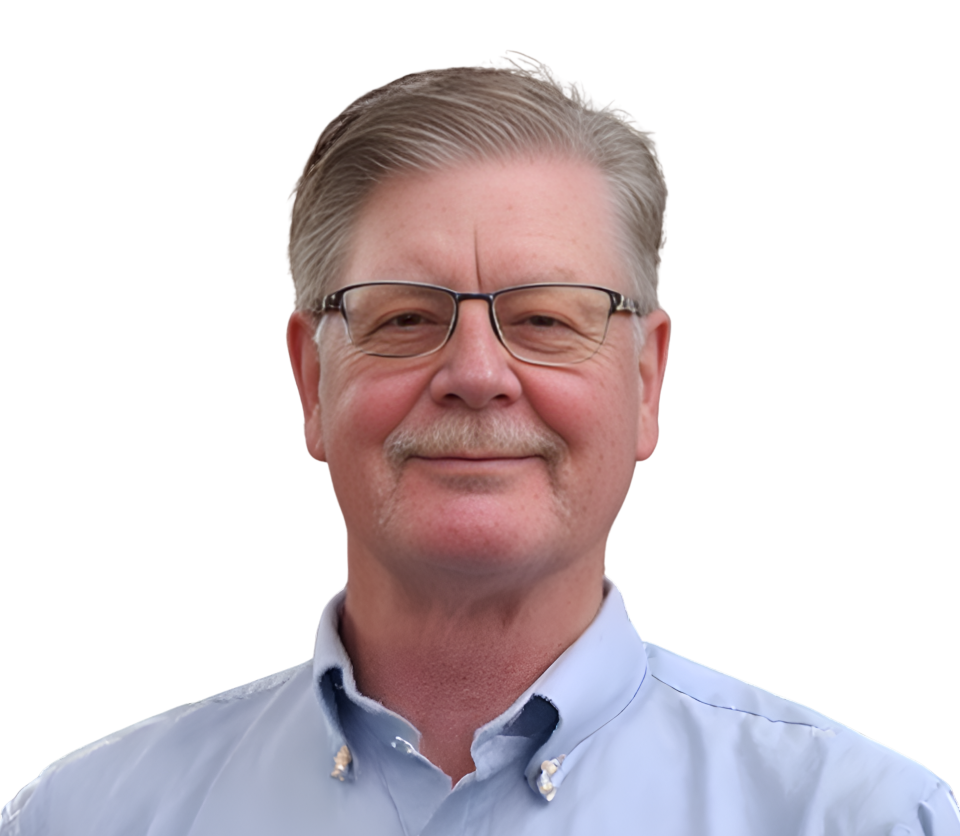

Ronald Bell
Drone Geoscience, LLC
- Capturing how drone-enabled geoscience mapping can efficiently identify and characterize orphan and idle well sites across diverse terrains
- Applying advanced sensing technologies including LiDAR, infrared imaging, and geophysical methods to detect infrastructure and contamination
- Leveraging drone-based magnetic and electromagnetic data to locate buried wells, pipelines, and legacy site debris with high precision
- Integrating machine learning and AI to enhance data interpretation and deliver actionable insights for site assessment and remediation
16:45 - 16:50
Q&A SESSION ON THE BENEFITS OF USING DRONE AND GEOSCIENCE DATA FOR IMPROVING SITE CHARACTERIZATION ACCURACY
16:50 - 17:20
RESERVED PRESENTATION
17:20 - 18:20
NETWORKING DRINKS RECEPTION
DAY 2 :
THURSDAY, JUNE 25, 2026
08:00 - 08:30
MORNING REFRESHMENTS
08:30 - 08:40
OPENING ADDRESS
08:40 - 09:10
PANEL DISCUSSION ON THE OPPORTUNITIES AND CHALLENGES OF USING CARBON CREDITS TO REDUCE GHG EMISSIONS FROM THE PLUGGING OF ORPHAN WELLS
09:10 - 09:35
FRAMEWORK FOR DETECTING LEAKING LEGACY WELLBORES USING MACHINE-ASSISTED SATELLITE IMAGERY ANALYSIS

Muhammad Haseeb Mukhtar
University of Houston
- Investigating how historical and current satellite optical imagery can be screened with machine-assisted models to identify surface leakage near legacy wellbores
- Establishing how neural network training on confirmed leak patterns enables the prediction of undocumented or unreported leaking sites across mature basins
- Correlating optical imagery results with InSAR uplift data to assess subsurface pressurization and its potential impact on plug integrity and well failure
- Affirming how automated screening frameworks support regulators and operators with faster detection, validation, and remediation planning
09:35 - 09:40
Q&A SESSION ON AI AND SATELLITE IMAGERY TO DETECT LEAKING LEGACY WELLBORES
09:40 - 10:05
FROM ORPHANED WELLS TO RESTORED LAND: IN-SITU BIOREMEDIATION OF HYDROCARBON AND SALT IMPACTS AT ORPHANED AND IDLE WELLSITES
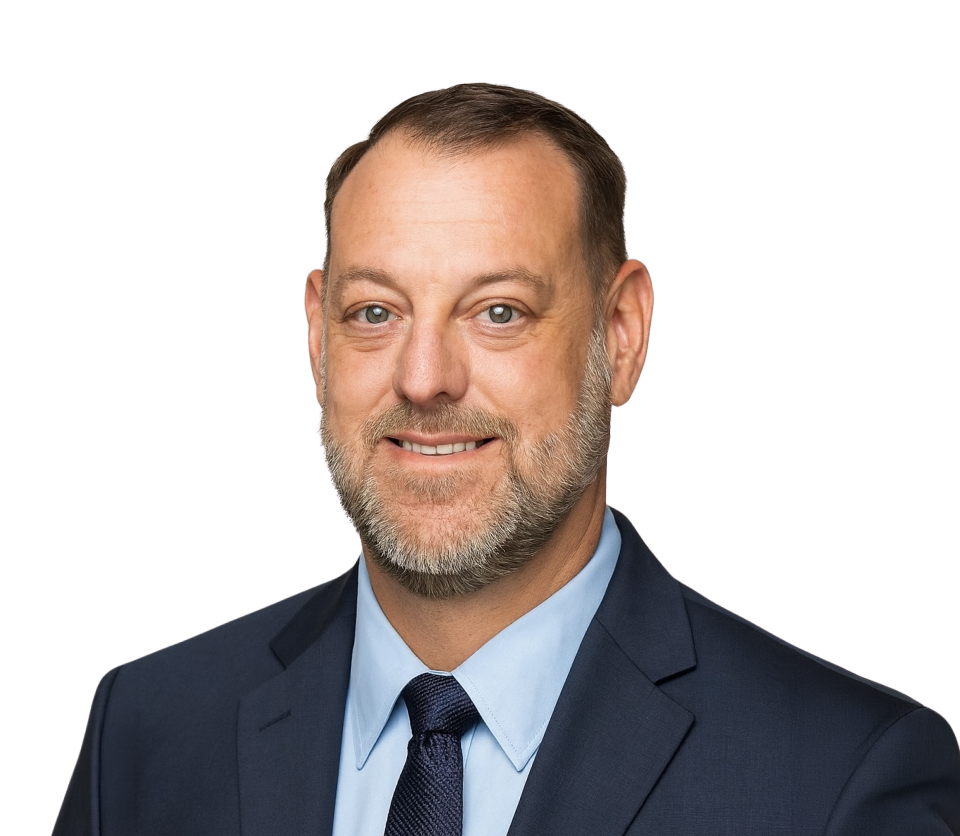

Randall Stremmel
PC Bioremediation
- Determining how orphaned and idle wellsites contribute to methane emissions, soil damage, and groundwater contamination risks identified by the EPA
- Detailing how in-situ bioremediation can simultaneously treat hydrocarbon pollution and high-salinity brine impacts without excavation or landfill disposal
- Offering field results from 2,000+ projects showing major reductions in hydrocarbons and chlorides, enabling rapid soil recovery and revegetation
- Communicating how bioremediation can reduce closure costs and emissions while supporting plugging programs and long-term regulatory compliance
10:05 - 10:10
Q&A SESSION ON LOW-CARBON WELL CLOSURE THROUGH IN-SITU BIOREMEDIATION
10:10 - 10:30
MORNING COFFEE BREAK IN THE EXHIBIT AREA
10:30 - 11:00
PANEL DISCUSSION ON ORPHAN & IDLE WELLS
11:00 - 11:25
NOVEL DOWNHOLE MATERIAL TECHNOLOGY FOR WELL SEALING AND REPAIR APPLICATIONS
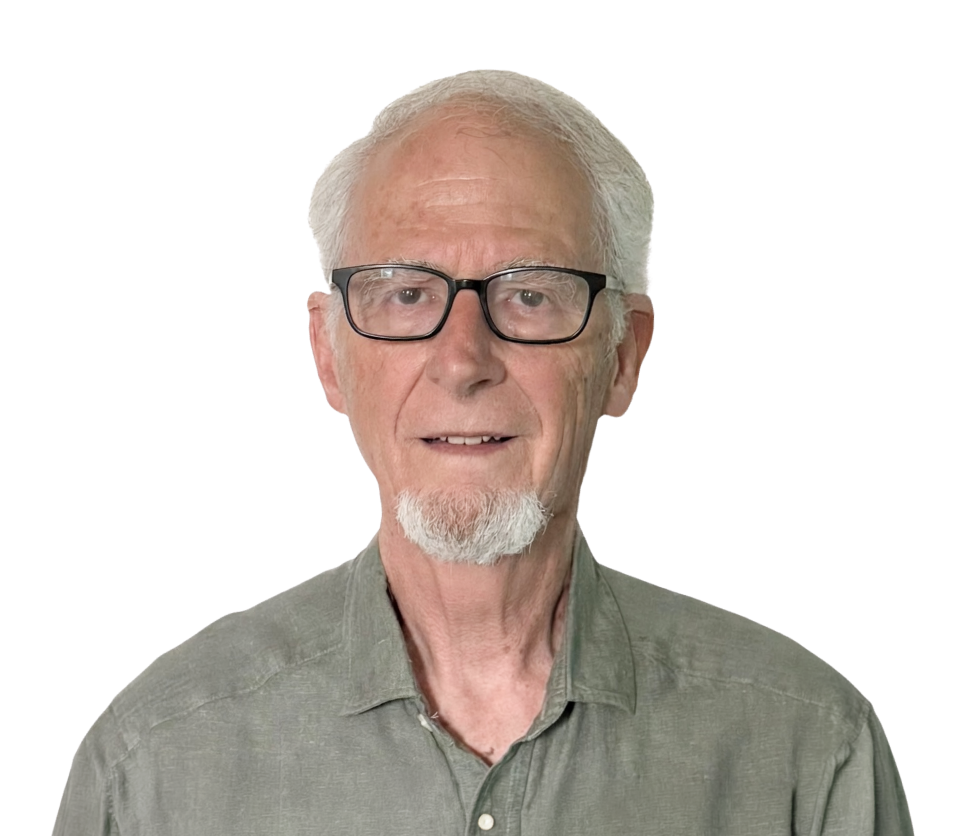

Patrick Brant
Baylor University
- Heralding a new downhole material system based on low-viscosity monomer fluids that can rapidly polymerize into durable solids
- Conveying the capability to seal and repair orphan, abandoned, and active wells using controlled curing processes
- Evaluating material performance in extreme conditions, including strength, durability, and long-term integrity
- Showcasing pilot-scale validation, including application in high-risk scenarios such as blowout containment
11:25 - 11:30
Q&A SESSION ON ADVANCED POLYMER TECHNOLOGY FOR WELL INTEGRITY AND REPAIR
11:30 - 12:00
RESERVED PRESENTATION
12:00 - 12:30
RESERVED PRESENTATION
12:30 - 13:30
NETWORKING LUNCH AND VISITING THE ORPHAN AND IDLE WELLS EXHIBITION
13:30 - 14:00
PANEL DISCUSSION ON ORPHAN & IDLE WELLS
14:00 - 14:25
FIELD TO BOARDROOM: CLOSING THE GAP BETWEEN CAPITAL ALLOCATION AND WELL EXECUTION
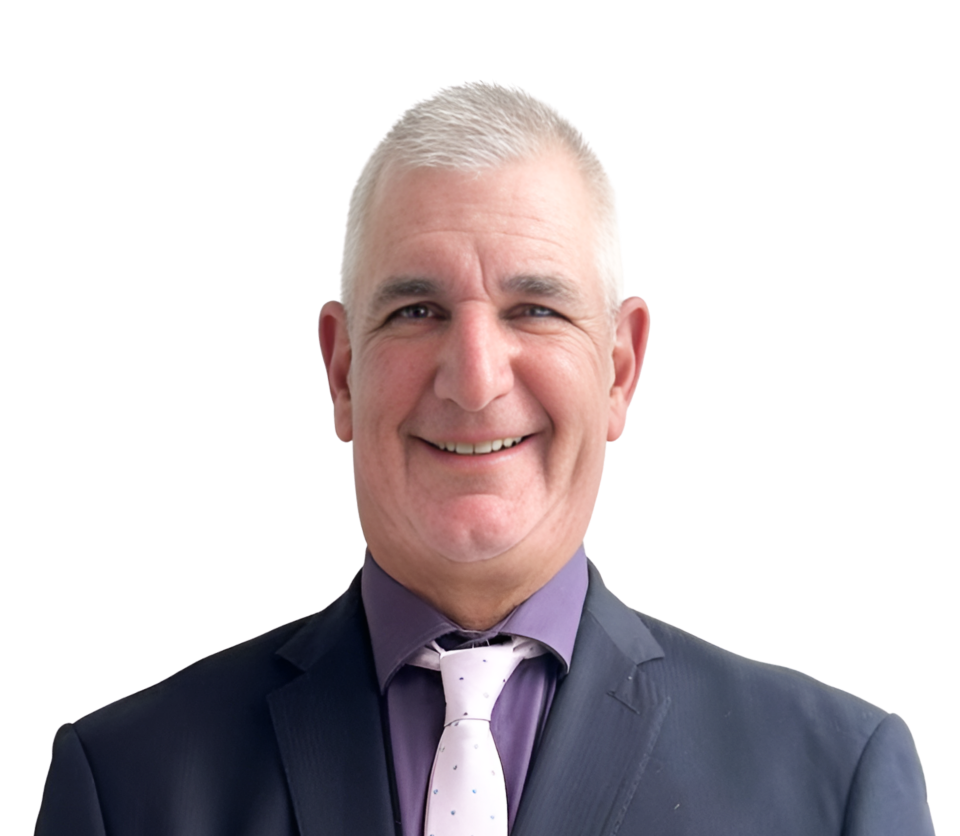

Bradley Blayone
True Energy Adviser Inc
- Charting how IC-to-FID assumption drift creates silent IRR and Net Asset Value erosion requiring independent field oversight before financial impact crystallizes
- Championing the General Contractor model as a single accountable execution layer coordinating engineering firms, field contractors, and regulatory submissions
- Diagnosing how GC-led closure programs identify hydrogen storage and repurposing candidates before permanent abandonment to unlock asset value
- Citing US market research showing Louisiana alone has surpassed 6,800 documented orphan wells, illustrating a growing execution gap
14:25 - 14:30
Q&A SESSION ON CLOSING THE ORPHAN WELL EXECUTION GAP FROM CAPITAL PLAN TO FIELD DELIVERY
14:30 - 15:00
RESERVED PRESENTATION
15:00 - 15:15
FEEDBACK & RAFFLE DRAW
15:15 - 15:30
CLOSING REMARKS
Become a Speaker & Join the Conversation
SUBSCRIBE FOR UPDATES
By submitting, you agree to receive email communications from the event organizers, including upcoming promotions and discounted tickets, news, and access to related events.