INSIGHTS
Data Reveals Extreme Cost Disparities in Legacy Oilfields
A multi-state analysis of 10,763 orphaned well projects reveals extreme cost disparities, urging immediate data-driven optimization
8 Jun 2026
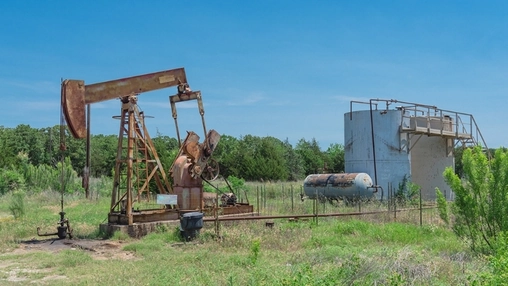
Federal environmental cleanups face intense economic scrutiny across American energy corridors. A multi-state performance study evaluating 10,763 legacy infrastructure contracts exposed severe cost anomalies. Expenses ranged from $10,000 to $1.9 million to seal a single asset. These vast funding disparities demonstrate that localized resource allocation requires major structural oversight from federal compliance directors.
Legacy liability data reveals severe systemic vulnerabilities hidden within local regulatory frameworks. At an estimated $18 billion, total remaining reclamation obligations across domestic oilfields significantly outpace the short-term capital provisions authorized under recent federal infrastructure funding cycles.
Confronting these immense budgetary deficits, state agencies are struggling to maintain uniform environmental safety compliance standards. They must simultaneously manage volatile regional supply chain expenses and shifting field labor availability. Commercial operators must therefore collaborate closely with public administrators to establish transparent economic baselines for future projects.
Also, central to resolving these challenges is the deployment of standardized engineering metrics. By utilizing verified data frameworks, regional compliance officers can identify which specific legacy well sites present the highest environmental risks to local communities and require immediate technical intervention.
Over 10,000 documented cases confirm that unstandardized contracting wastes vital ecological capital. Managed by federal oversight teams, new administrative guidelines enable regional inspectors to track field expenditures in real time. This ensures that limited public resources directly support physical engineering work rather than expanding unnecessary administrative overhead. Streamlining these complex procurement processes will ultimately allow professional remediation crews to secure thousands of additional leaking well sites safely and permanently.
Through transparent data tracking, regional markets can optimize public environmental investments. The modernization of these plugging programs aims to deliver a safer, cleaner landscape for local communities while simultaneously revitalizing depressed economies across industrial zones.
Related News


SUBSCRIBE FOR UPDATES
By submitting, you agree to receive email communications from the event organizers, including upcoming promotions and discounted tickets, news, and access to related events.